

Η λέξη «αντίδραση» αναφέρεται σε μια απόκριση σε ένα ερέθισμα και χρησιμοποιείται σε πολλά πεδία αλλά και σε καθημερινές καταστάσεις. Γενικά, μια αντίδραση μπορεί να είναι σωματική, συναισθηματική, χημική, βιολογική ή ακόμα και κοινωνική. Για παράδειγμα, όταν κάποιος ακούσει ένα απροσδόκητο νέο, η έκφραση του προσώπου ή η κίνηση του σώματός του μπορεί να είναι μια συναισθηματική αντίδραση. Στον αθλητισμό, η γρήγορη κίνηση ενός αθλητή σε απάντηση σε μια μπάλα είναι μια σωματική αντίδραση. Σε κοινωνικά πλαίσια, μια αντίδραση μπορεί να είναι η απάντηση των ανθρώπων σε μια άποψη ή μια συμπεριφορά.
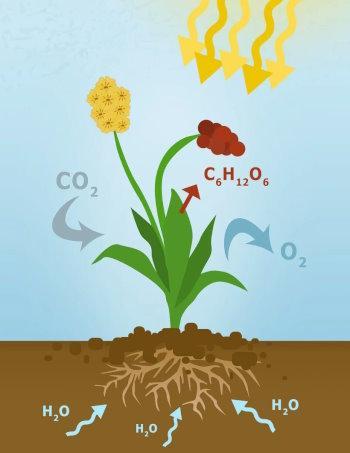
Ένας από τους πιο γνωστούς τύπους είναι η χημική αντίδραση, η οποία συμβαίνει όταν ουσίες αλληλεπιδρούν και σχηματίζουν νέες ουσίες. Ένα κλασικό παράδειγμα είναι η φωτοσύνθεση, κατά την οποία τα φυτά μετατρέπουν το διοξείδιο του άνθρακα και το νερό σε γλυκόζη και οξυγόνο με τη βοήθεια του ηλιακού φωτός. Χημικές αντιδράσεις όπως αυτή είναι απαραίτητες για τη ζωή στη Γη και συμβαίνουν συνεχώς στη φύση και στο σώμα μας.
Στη βιολογία, μια βιολογική αντίδραση μπορεί να αναφέρεται στην απόκριση ενός κυττάρου ή οργανισμού σε ένα ερέθισμα, όπως το ανοσοποιητικό σύστημα που αντιδρά σε έναν ιό. Στην πολιτική ή την κοινωνία, η «αντίδραση» μπορεί επίσης να σημαίνει μια αρνητική απόκριση σε γεγονότα ή πολιτικές.
Με λίγα λόγια, η έννοια της αντίδρασης είναι ευέλικτη και εμφανίζεται σε πολλούς τομείς, πάντα με κοινό στοιχείο την αιτία και το αποτέλεσμα — μια δράση και μια απόκριση.
The word “reaction” refers to a response to a stimulus, and it is used in many fields and everyday situations. In general, a reaction can be physical, emotional, chemical, biological, or even social. For example, when someone hears surprising news, their facial expression or body movement might be an emotional reaction. In sports, an athlete’s quick movement in response to a ball is a physical reaction. In social contexts, a reaction might be how people respond to someone’s opinion or behavior.
One of the most well-known types is the chemical reaction, which occurs when substances interact to form new substances. A classic example is photosynthesis, where plants convert carbon dioxide and water into glucose and oxygen using sunlight. Chemical reactions like this are essential to life on Earth and take place constantly in nature and in our bodies.
In biology, a biological reaction may refer to how a cell or organism responds to a stimulus, like the immune system reacting to a virus. In politics or society, a “reaction” can also mean a backlash or response to events or policies.
In short, the concept of reaction is versatile and appears across many domains, always involving a cause and an effect — an action and a response.