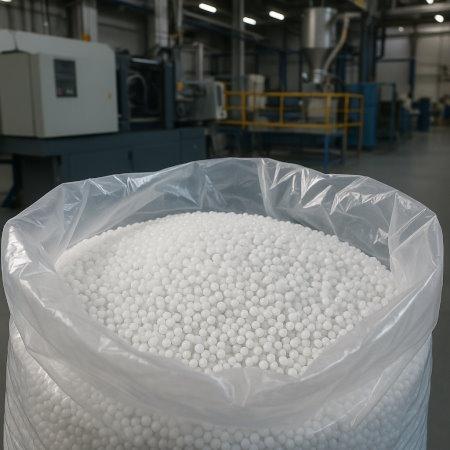


tiny plastic pellets, usually about the size of a lentil. Serve as the raw material for manufacturing nearly all plastic products.
Made from polymers such as polyethylene, polypropylene, polystyrene, or PVC and are shipped in bulk to factories, where they’re melted down and molded into items like bottles, packaging, or household goods.
Environmental problem:
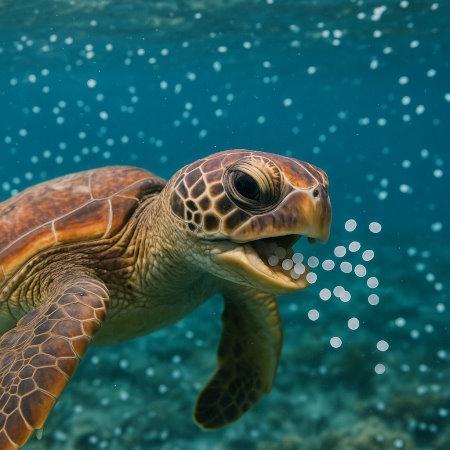
They are lightweight, buoyant, and spill easily during transport (by ship, train, or truck). Once they get into rivers or the sea, they’re extremely hard to clean up, and because they don’t biodegrade, they persist for decades — absorbing toxins and being mistaken for food by fish, seabirds, and other marine animals.
Impact:
- Massive contamination of beaches along Sri Lanka’s west coast.
- Pellets mixed with burned, toxic residues from the fire.
- Long-term damage to fisheries, tourism, and coastal ecosystems.
- Marine life (fish, turtles, seabirds) ingested the pellets, mistaking them for food.
Notable nurdle spills:
- May 2021 off the coast of Sri Lanka: The container ship MV X-Press Pearl caught fire and sank near Colombo. An estimated 1,680 tonnes of nurdles (tens of billions of pellets) were released into the Indian Ocean — enough to cover several beaches knee-deep.
- May 2025 off the coast of Kerala, India: Container ship MSC ELSA 3. About 71,500 sacks of nurdles were spilled into the ocean. Impossible to recover most of them.
Προσοχή στην 2η έννοια της λέξης (μάλλον πολύ σπανιότερη στην εποχή μας): Χρησιμοποιείτε στο cricket (σαν ουσιαστικό και σαν ρήμα).
- Verb: To gently push or deflect the ball into a gap in the field, usually to score a single run — e.g., “He nurdled the ball down to third man.”
- Noun: A soft, controlled shot like that.
Και σε μία ακόμα χρήση σαν ουσιαστικό: informal marketing term for the small, wave-shaped blob of toothpaste you see in ads on a toothbrush.